

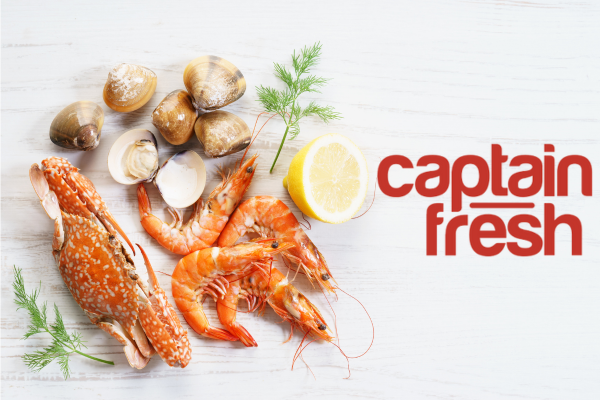
Captain Fresh’s IPO withdrawal has become a stress test for the Indian and global IPO markets, and for how founders now thinks about startup IPO withdrawals, strategic acquisitions, and deal timing, as seen in the Frime acquisition.
The Bengaluru-based seafood platform pulled its draft IPO paper on December 24, pausing a planned $400 million listing even after India’s markets regulator cleared the deal. The move surprised bankeINR because the Indian IPO market just closed a record year, while the global IPO market showed renewed momentum after two years of volatility.
However, Captain Fresh framed the Captain Fresh IPO retreat as a calculated step, not a retreat under pressure. It said it withdrew its pre-DRHP “to facilitate the expedited closure of a contemplated material acquisition” and to preserve capital structure flexibility for strategic equity investments tied to the Frime acquisition.
Why a Profitable Company Walked Away
Unlike many growth stories, Captain Fresh is not backing off because of weak numbers. The company turned profitable in FY25, lifting GMV to about INR 3,421 crore and swinging from an INR 229 crore loss to an INR 42.4 crore net profit, as per filings and investor updates. In the first half of FY26, it says it has already beaten its FY25 full-year EBITDA and profit after tax.
Yet the Captain Fresh IPO collided with deal timing. The company has agreed to buy Spain-based Frime, a central yellowfin tuna processor, through a stock-heavy structure that changes its balance sheet, risk profile, and disclosure needs. That Frime acquisition required Spanish competition approval and detailed integration plans, which sit awkwardly inside a live IPO review.
Therefore, founders and bankers faced a choice. To push ahead with the startup IPO withdrawal risk hanging over them, or step back, close the strategic acquisition, and return with a cleaner story. They chose the second path and insist the Captain Fresh IPO timeline “remains unchanged,” with refiling expected in early 2026.
How the India IPO Market Got “Selective”
On paper, the Indian IPO market has rarely looked stronger. Mainboard IPOs raised a record INR 1.75–1.76 lakh crore in 2025, with more than 100 companies listing even as total equity fundraising via QIPs and FPOs fell sharply. At the same time, as many as half of new listings now trade near or below issue price, and average listing gains dropped to about 8–10 percent from roughly 30 percent last year.
So investors crowded in but also became pickier. Data providers describe a “selective” India IPO market, where buyers reward clear profitability and governance and punish anything that looks rushed or overly complex. That shift matters for the Captain Fresh IPO, because the company runs a multi-country acquisition playbook that public investors must actually understand, not just applaud.
Meanwhile, the global IPO market experienced its own reset. Q3 2025 deal volumes and proceeds jumped, but banks and investors reported tighter scrutiny on fundamentals, path to profits, and capital discipline. Reports from EY and others say investors now favor “scale plus discipline” rather than pure top-line growth, especially in cross-border consumer and supply chain stories.
When Strategic Acquisition Collides With Listing Timing
Captain Fresh’s expansion thesis hinges on strategic acquisition, not just organic growth. Over the last two years, it has bought US importer CenSea, French shrimp producer Senecrus, Polish salmon brand Koral, and now Frime in Spain. That sequence turned a domestic B2B marketplace into a global packaged seafood company with most of its revenue coming from the US and Europe.
In that context, the Frime acquisition became both a prize and a constraint for the Captain Fresh IPO. Because the deal leans heavily on stock, it changes leverage, shareholding, and earnings mix, all of which SEBI expects to see in finalized form. If Captain Fresh had rushed the listing, investors in the Indian IPO market would have had to price incomplete consolidation, open integration risk, and shifting capital structure.
Instead, the company effectively chose to complete its strategic acquisition first and then have the global IPO market price a larger, more integrated business later. This playbook mirrors private equity behavior: buy, integrate, then list when collaborations start to show up in EBITDA. As a result, the startup IPO withdrawal looks less like a setback and more like an attempt to protect long-term valuation.
High-Signal Lessons for Founders and Investors
From the Captain Fresh IPO pause, founders, operators, and investors can extract several actionable insights.
First, the bar has moved in the Indian IPO market. Profitability, cash discipline, and clean cap tables now matter more than “hot sector” labels. Companies that load up on complex cross-border deals just before listing invite deeper questioning, so they must decide whether to finish the strategic acquisition cycle or stagger deals around the IPO.
Second, the global IPO market rewards timing discipline. Reports from global banks show that more companies in 2025 paused filings, like this startup’s IPO withdrawal, rather than accept sharply lower pricing or go public amid volatility. Captain Fresh joins that group by holding fire until the Frime acquisition closes and early integration data becomes visible.
Third, narrative clarity now drives pricing power. Investors already track the Captain Fresh IPO because it sits at the intersection of cross-border food supply, tech-enabled logistics, and traditional processing. However, they still need a simple thesis: a global seafood consolidator with stable margins and repeatable M&A, not a patchwork of barely-digested deals. Converting that story into numbers will likely determine where the Indian IPO market values the stock.
Fourth, cross-border deals change the risk lens. European competition sign-offs, sanitary rules, and labor regulations make every strategic acquisition more complex than a domestic tuck-in. As regulators and investors in the global IPO market push harder on ESG and supply chain transparency, companies like Captain Fresh must show traceability and governance, not just volume.
What Comes Next for Captain Fresh — and the Market
If Captain Fresh executes well, the Captain Fresh IPO refiling in early 2026 could arrive with a stronger negotiating position. By then, management can point to a closed Frime acquisition, consolidated earnings, and a clearer earnings run rate from its network of over 100 subsidiaries. That package fits a global IPO market that now favors scale plus profitability and a domestic investor base that has become far more selective.
At the same time, a crowded pipeline of Indian IPOs looms. Nearly 100 SEBI-approved IPOs worth more than INR 1.25 lakh crore are awaiting listing in 2026, forcing issuers to compete on clarity, governance, and price. In that race, any misaligned startup IPO withdrawal, poorly timed strategic acquisition, or botched integration, like a rushed Frime acquisition, could cost companies months and millions.
In other words, the pause around the Captain Fresh IPO is not just one company’s detour. It is a visible marker that, in both the Indian and global IPO markets, the era of easy listings is over, and the era of thoughtful, integration-aware going-public strategies has begun.
Stay ahead of the curve and follow IndiaTechDesk on Facebook, Twitter and Linkedin for in-depth news of market trends, funding updates, and regulatory changes affecting startups in India.
Read More:
- Lenskart’s Bold IPO Move, Why Top Investors Are Cashing Out Now
- Swiggy IPO Opens with Strong Backing, Targeting Growth in Food Delivery and Quick Commerce
- Startup Mirage Crumbles in Gensol BluSmart Scandal
- Early-Stage Founders Face Funding Crunch as 11,223 Startups Collapse in 2025
- India Abolishes Angel Tax to Boost Startup Ecosystem