

Enalytix, a Noida-based AI video analytics startup, is transforming CCTV surveillance into real-time retail intelligence by deploying computer vision tools that sharpen employee productivity, all without replacing a single previously installed camera.
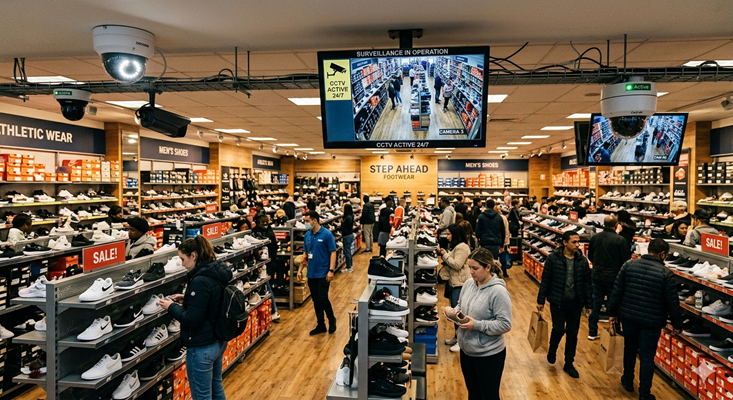
Walk into any Biba, Puma, or Nike store in India today, and the ceiling cameras are quietly counting how long you linger near a display rack, whether a staff member greeted you within thirty seconds, and whether an incoming delivery shipment matches the purchase order on file. None of this requires new hardware. The camera retailers already paid for have simply been half-asleep.
That observation drove Rajul Tandon and Neerja Kumar to co-found Enalytix in 2020. Five years later, the startup has deployed its AI video analytics platform across 400-plus stores for international brands, reported INR 12.5 crore (roughly $1.5 million) in revenue in FY25, and earned Forbes India’s recognition as one of the country’s top 200 high-potential companies.
The Problem: Cameras That See but Cannot Think
India has one of the most closely monitored shopping environments in the world. Despite the significant investments in CCTV surveillance by retail stores over the years, much of the footage goes unnoticed until a theft occurs.
Typically, this footage sits on digital video recorders and is often deleted within weeks. Retailers pour billions into surveillance technologies, yet they tend to miss out on the valuable insights those cameras could offer.
It’s a curious situation where, instead of using this wealth of information for improving operations or customer experiences, it often just collects dust until it’s too late.
“Every major retail chain has hundreds of cameras generating terabytes of data,” said Rajul Tandon, CEO and Founder, Enalytix, who spent over two decades in deep learning and computer vision before launching Enalytix. “Almost none of it becomes a business decision.”
Architecture That Solves the Privacy Problem
Instead of pushing retailers to replace their current hardware, a move that often discourages the adoption of AI video analytics, Enalytix has developed a smart solution called thin-edge computing. This means that the AI models can run directly on existing cameras or on nearby servers, eliminating the need for raw footage to leave the store.
What makes it even better is that only anonymous, encrypted data gets sent to a central dashboard. This data includes valuable insights such as retail intelligence, foot traffic counts, customer dwell-time heatmaps, staff acknowledgment rates, and real-time alerts for delivery mismatches. Each metric comes with a timestamp and a visual frame that doesn’t reveal identities, which is a game-changer.
This shift in how data is viewed has transformed discussions among retailers from questioning the accuracy of the numbers to focusing on actionable steps, like how to respond to the insights they gain.
Moreover, this approach addresses a major concern many enterprises have about using computer vision on live surveillance footage—privacy.
Since everything is processed on-site and only anonymized information is shared, this approach minimizes regulatory risks and alleviates concerns about being a startup that analyzes countless customer faces in real time. Overall, it’s a thoughtful and innovative way to harness AI for better retail experiences while respecting customer privacy.
The Workforce Layer, Turning Cameras Into Clocks
Pure retail intelligence platforms often overlook a crucial aspect of operations: the people who make the store run. Enalytix identified this gap early on and developed a second product, an Employee Experience mobile app. This innovative app includes features like geo-fenced facial check-ins, AI-driven productivity scoring, automated shift management, and customizable reward systems.
Neerja Kumar, the COO and a former leader at Accenture in delivery transformation, explains that the app was born out of a practical need during the pandemic. With many employees working remotely, it became essential to manage field teams efficiently without relying on cumbersome paper-based attendance tracking.
Today, the app is scalable, accommodating everyone from small teams of 5 to large groups of over 1,000 employees. Retailers already using the CCTV analytics tool to monitor store performance can easily integrate this workforce management tool, creating a seamless synergy that boosts sales and more effectively retains accounts.
“Store intelligence and employee productivity are two sides of the same operational coin. Solving one without the other leaves half the problem on the table,” she added.
New Frontier: AI Video Scan and Public Safety
Enalytix has rolled out a new tool called AI Video Scan, designed to assist governments and public safety agencies. This innovative technology uses advanced computer vision to detect blacklisted individuals and locate missing children using live or recorded footage from multiple cameras.
Tandon said, “When it comes to safety, both timely detection and swift action are critical. This platform delivers both speed and precision, empowering users to act faster and smarter in critical situations. Our mission is to make advanced video analytics accessible, reliable, and privacy-first – so that every organisation can safeguard what matters most without compromise.”
This effort is crucial, especially considering the alarming statistics from India’s National Crime Records Bureau, which highlight that over 47,000 children go missing each year, with a staggering 71 percent being minor girls.
What makes this system particularly impressive is its efficiency. It can quickly compare a reference image against large amounts of CCTV footage, flagging any matches on a local dashboard almost instantly.
This means sensitive data remains secure because it never leaves the device. Plus, the entire process runs automatically, so no specialized technical skills are needed to operate it. It’s a powerful step forward in enhancing public safety and supporting crucial efforts to find missing children.
Neerja Kumar said, “The need for intelligent video monitoring is constant, especially in crowded public spaces where manual surveillance is challenging.”
“AI Video Scan reflects our commitment to building practical, scalable, and impactful solutions. By helping organisations identify risks and protect vulnerable individuals in real time, it bridges critical safety gaps and fosters safer environments for businesses and communities alike,” he added.
The Market Opportunity and What Comes Next
India’s organized retail sector has surpassed the impressive milestone of INR 2 trillion in annual value, but progress in adopting AI-powered retail intelligence has been surprisingly slow.
Enalytix stands out in this landscape with its lean structure of around 55 to 60 employees and no significant institutional funding, yet it has doubled its revenue in just two years. This is quite a departure from the typical startup, which is often characterized by heavy venture funding and high spending.
The company now sets its sights on international markets, specifically the Middle East and the UAE, where organized retail is rapidly expanding. There’s a notable prevalence of CCTV cameras, and businesses there have substantial budgets for reliable AI solutions. Their presence in cities like Boston, Ontario, and Geneva indicates that their global aspirations are not just dreams but are actively being put into action.
The startup has a compelling message. India boasts hundreds of millions of surveillance cameras that gather vast amounts of data but lack the capability to truly interpret it. By applying effective computer vision technology to these existing systems, not by discarding hardware but by enhancing it with innovative software, we can tap into one of the largest applied AI opportunities in the world.
Stay ahead of the curve and follow IndiaTechDesk on Facebook, Twitter and Linkedin for in-depth news of market trends, funding updates, and regulatory changes affecting startups in India.
Read More:
- PM Modi Urges Focus on Real-World AI Impact, Says India Has No Time for ‘AI Toys’
- India Deep Tech Startups Face $626M Funding Drought
- India Chooses Scale Over Supremacy in Global AI Race
- Growth Is No Longer Enough, Capital Efficiency Becomes Venture Capital’s New Filter
- India Unlocks 6 GHz Spectrum, but Only Rich WiFi Startups Will Benefit